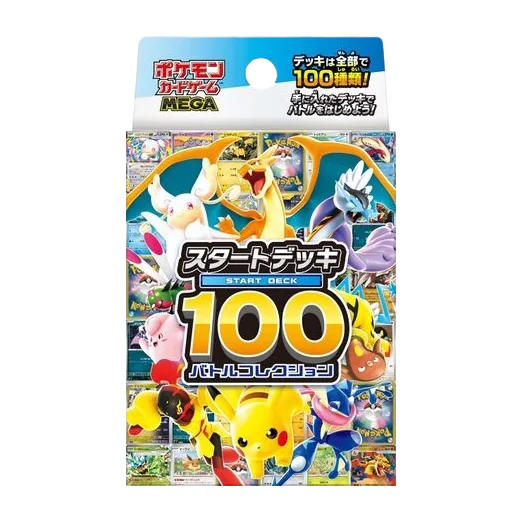
Not at official Play! Pokémon tournaments in Australia. The Play! Pokémon Tournament Handbook counts Japanese cards as marked cards because their backs are different from the backs of every other Pokémon card. Marked cards can't be played at Play! Pokémon tournaments. On top of that, English is the only legal card language at Championship Series events in the Oceania rating zone, which is the zone Australia sits in.
Why the card back matters
Pokémon cards printed in English and the other international languages share one back design, while Japanese cards have their own. In a shuffled deck that difference would let a player pick out a Japanese card without seeing its face, which is exactly what the handbook means by a marked card. The rule names Japanese cards outright and makes no exception for decks in opaque sleeves.
Which events the rule covers
Championship Series events in Oceania allow English cards only. At the biggest events, meaning Regional and International Championships and the World Championships, players can also use cards in any language that is legal in their home country. For a player from Australia that still means English cards, while Japanese cards stay marked at every Play! Pokémon tournament.
League sessions work a little differently. The handbook leaves card languages at League sessions to the League staff, so a casual League night at your local store may be relaxed about it. Ask before you bring a Japanese deck along. A sanctioned tournament, even a small local one, still counts Japanese cards as marked.
Where Japanese cards fit in
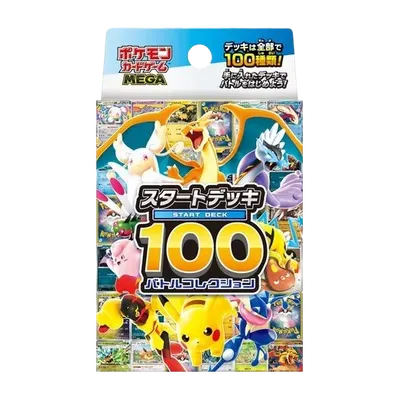
Plenty of players use Japanese cards for games at home or with friends, where the only rules are the ones you agree on. Start Deck 100 is an easy way in, since every copy is a ready to play deck of 60 cards with at least two Pokémon ex. If Japanese text is new to you, our guide on how to read a Japanese Pokémon card covers the attacks, the symbols and the numbers.
For collecting the rules make no difference at all. Japanese sets come out first, the print quality is excellent and the boxes are good value, which is why so many collectors open Japanese even if they play with English cards. Our Japanese vs English guide goes through the differences in full.
Ready to open one?
Every box here is sealed Japanese stock on the shelf in Sydney, dispatched in 1 to 3 business days with flat $14 tracked shipping.
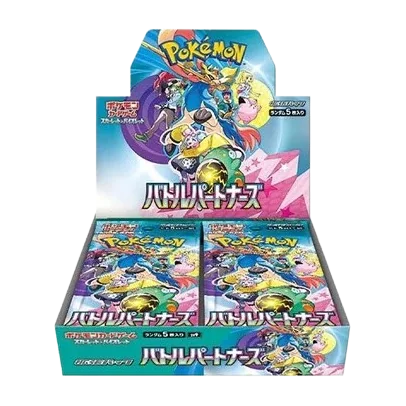 Battle Partners
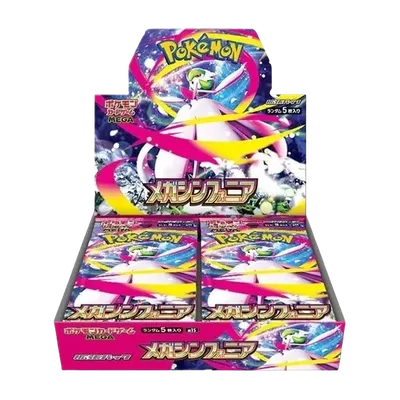 Mega Symphonia
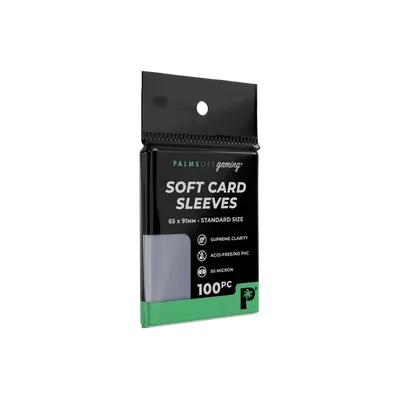 Standard Sleeves
Kai Chai is a Pokémon card collector in Sydney and the founder of WOOPR, a shop that sells only sealed Japanese product. More about WOOPR.
Sources
- Play! Pokémon TCG Tournament Handbook, revised 21 May 2026
- PokeBeach forums, are Japanese cards allowed?
- Your Playmat, what Pokémon cards can be used in a tournament
More guides
- How to open a Japanese Pokémon booster boxChecking the seal, the tear strip, opening packs cleanly and sleeving the hits.
- How to store Pokémon cards and sealed boxesSleeves, double sleeving, toploaders, semi rigids and cases, plus where to keep sealed boxes.
- How to get Pokémon cards graded in AustraliaPSA from Australia, packing your cards and what a PSA 10 needs.
- How to read a Japanese Pokémon cardStage, HP, attacks, the codes along the bottom and a glossary of the Japanese words on a card.
- Are Japanese Pokémon cards better quality?Print, cutting, card stock, holo finishes and box art, compared with English cards.
- Japanese vs English Pokémon booster boxesPacks per box, cards per pack, which comes out first and how the rarity names line up.