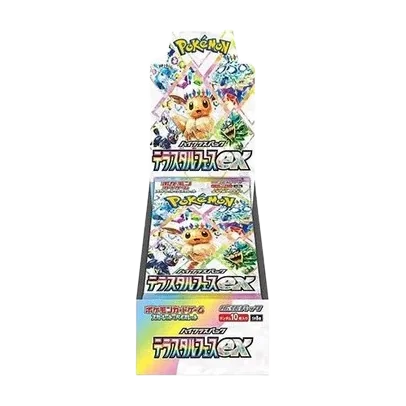
Ask a room of collectors which print is nicer and most will say Japanese, which I agree with. The quality is the reason this shop sells nothing else, so here is what that reputation is actually built on.
Print and cutting
Collectors consistently report fewer printing faults on Japanese cards, with brighter colour, a tighter finish and fewer of the white edges and off centre cuts that turn up in English packs. Centring matters more than it sounds, because it's one of the things a grading company like PSA judges a card on. A cleaner cut gives a card a better shot at a high grade.
Card stock
Japanese cards are printed on slightly thinner stock than English ones, so they feel lighter and a little more flexible in the hand. They are still exactly 63 by 88 millimetres, so every standard sleeve, toploader and binder fits them. Our sleeves and toploaders all take Japanese cards.
Holo finishes and artwork
Japanese and English versions of a card share the artwork, though the foil treatment is not always identical. Japanese sets also carry some illustrations and holo patterns that never made it into the English sets, which matters if you collect a particular Pokémon and want every version of it.
Box and pack design
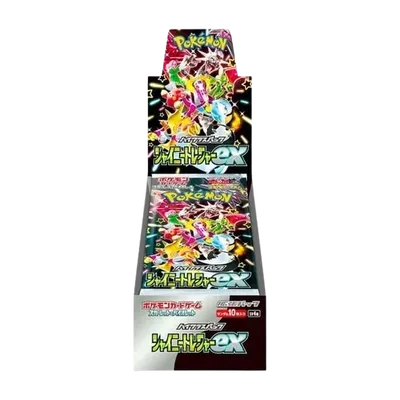
A Japanese booster box carries the set's artwork right across the front, so a sealed box looks good on a shelf in its own right. The packs are smaller as well, five cards in a standard set, which makes each one quicker to open and cheaper to buy.
Does better quality mean a card is worth more?
Prices come down to demand rather than print quality. The best graded English copies of a card can sell for more than the Japanese version, precisely because a clean English copy is harder to find. What the Japanese print gives you is a nicer card to hold and display, which is what most collectors are after in the first place.
If you're weighing up the two for your own collection, the Japanese vs English guide covers pack sizes, release dates and rarity names.
Ready to open one?
Every box here is sealed Japanese stock on the shelf in Sydney, dispatched in 1 to 3 business days with flat $14 tracked shipping.
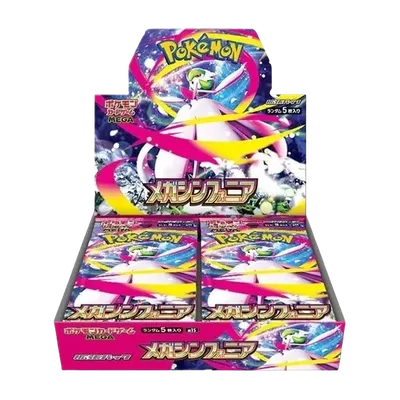 Mega Symphonia
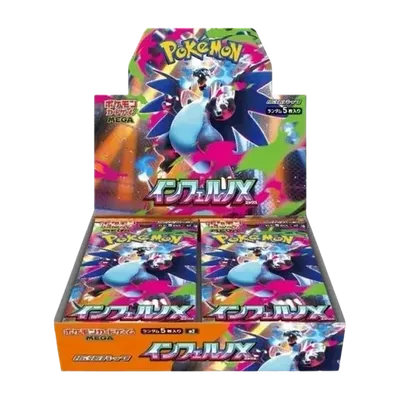 Inferno X
Kai Chai is a Pokémon card collector in Sydney and the founder of WOOPR, a shop that sells only sealed Japanese product. More about WOOPR.
Sources
- Rare Cards, the difference between English and Japanese booster boxes
- SNKRDUNK Magazine, East vs West: comparing English and Japanese Pokémon TCG cards
- Danireon, Japanese Pokémon cards vs English Pokémon cards
- PSA, grading standards
More guides
- How to open a Japanese Pokémon booster boxChecking the seal, the tear strip, opening packs cleanly and sleeving the hits.
- How to store Pokémon cards and sealed boxesSleeves, double sleeving, toploaders, semi rigids and cases, plus where to keep sealed boxes.
- How to get Pokémon cards graded in AustraliaPSA from Australia, packing your cards and what a PSA 10 needs.
- How to read a Japanese Pokémon cardStage, HP, attacks, the codes along the bottom and a glossary of the Japanese words on a card.
- Can you use Japanese Pokémon cards in tournaments?What the official rules say about Japanese cards at events in Australia.
- Japanese vs English Pokémon booster boxesPacks per box, cards per pack, which comes out first and how the rarity names line up.