A Japanese card is laid out exactly like an English one, so once you know where to look you can read most of it without knowing any Japanese. The symbols, numbers and codes are the same in both languages. Only the words change.
The top of the card
The top left corner shows the Pokémon's stage, the top line carries its name and the top right shows its HP and type. Energy type symbols are the same ones English cards use, with HP printed in ordinary numbers. Pokémon ex and Mega Pokémon ex are marked with ex in Latin letters right after the name.
Attacks and abilities
Each attack shows its Energy cost as the same symbols English cards use, with the damage number on the right. An ability sits above the attacks under the heading 特性. If you want the exact wording, search the card on Pokémon's official Japanese card database or look up its English version, which carries the same effect.
The codes along the bottom
The bottom of the card carries the details collectors care about most:
- Regulation mark. A single letter that tells players which tournament formats the card is legal in. Cards marked G rotated out of the Standard format in April 2026, while H, I and J remain legal.
- Set code. The code of the set the card comes from, such as M1S for Mega Symphonia.
- Card number. Written as the card's number over the size of the main set, such as 087/063. When the first number is higher than the second the card is a secret rare, outside the main set, which is where every SAR, UR and MUR sits.
- Rarity code. Letters such as AR, SR or SAR. The rarity guide explains every one.
- Illustrator. The artist's name follows Illus. in Latin letters.
The Mega Gardevoir ex Mega Ultra Rare from Mega Symphonia is a good example. It's numbered 092/063 because the main set has 63 cards and the secret rares run on past it.
Japanese words worth knowing
| Japanese | Reading | English |
|---|---|---|
| たね | tane | Basic Pokémon |
| 1進化 | ichi shinka | Stage 1 |
| 2進化 | ni shinka | Stage 2 |
| 特性 | tokusei | Ability |
| 弱点 | jakuten | Weakness |
| 抵抗力 | teikōryoku | Resistance |
| にげる | nigeru | Retreat |
| グッズ | guzzu | Item |
| サポート | sapōto | Supporter |
| スタジアム | sutajiamu | Stadium |
| ポケモンのどうぐ | pokemon no dōgu | Pokémon Tool |
Trainer cards say which kind they are at the top, so the last four words are the quickest way to tell an Item from a Supporter.
Ready to open one?
Every box here is sealed Japanese stock on the shelf in Sydney, dispatched in 1 to 3 business days with flat $14 tracked shipping.
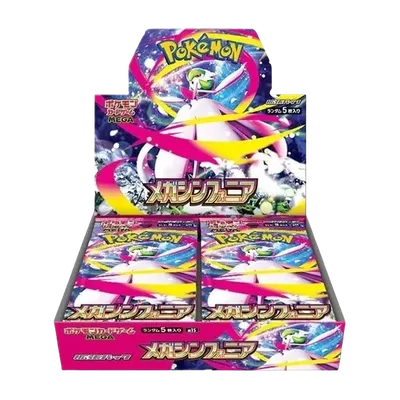 Mega Symphonia
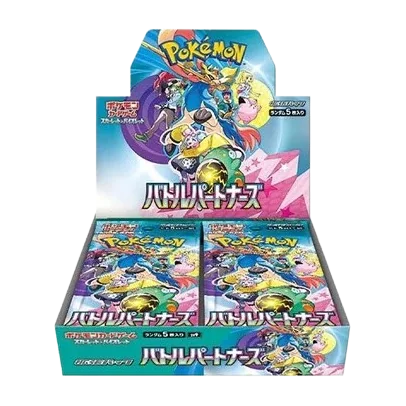 Battle Partners
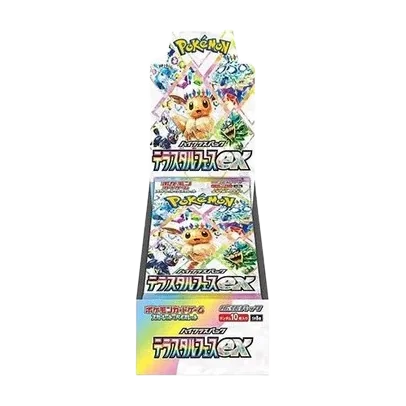 Terastal Festival
Kai Chai is a Pokémon card collector in Sydney and the founder of WOOPR, a shop that sells only sealed Japanese product. More about WOOPR.
Sources
- Pokémon Card Game official site, how to play (Japanese)
- Pokémon.com, 2026 Standard format rotation announcement
- Pack Kingdom, how to read Japanese Pokémon cards
- Pokémon Card Game official card search (Japanese)
More guides
- How to open a Japanese Pokémon booster boxChecking the seal, the tear strip, opening packs cleanly and sleeving the hits.
- How to store Pokémon cards and sealed boxesSleeves, double sleeving, toploaders, semi rigids and cases, plus where to keep sealed boxes.
- How to get Pokémon cards graded in AustraliaPSA from Australia, packing your cards and what a PSA 10 needs.
- Are Japanese Pokémon cards better quality?Print, cutting, card stock, holo finishes and box art, compared with English cards.
- Can you use Japanese Pokémon cards in tournaments?What the official rules say about Japanese cards at events in Australia.
- Japanese vs English Pokémon booster boxesPacks per box, cards per pack, which comes out first and how the rarity names line up.