- Search by set name and card number, since a Pokémon's regular, SAR and gold versions can differ wildly in price.
- SNKRDUNK, TCGplayer's Pokémon Japan line and PriceCharting all track Japanese cards.
- Japanese shop buy prices (kaitori) show which way a card is moving.
- Add postage and GST before comparing an overseas price with one in Australia.
Japanese cards trade in two markets at once. In Japan they are bought and sold in yen through card shops and apps, while collectors overseas mostly buy them through American marketplaces priced in US dollars. The same card can sit at quite different prices in each, so it pays to check more than one before you buy or sell.
Search by set and card number
Every Japanese card has a set code and a collector number such as 110/076 printed near the bottom. Searching by name alone mixes up the regular, Special Art Rare and gold versions of the same Pokémon, which can be worth wildly different amounts. Search with the set name and the number together and you will land on the right printing. Our guide on reading a Japanese card shows where to find both.
SNKRDUNK
SNKRDUNK is a Japanese marketplace with an English version and one of the main places Japanese singles change hands. Each card has its own page with current listings and a market price. Its articles also rank the most valuable cards in each new set, along with the buy prices shops are paying, which makes it a quick way to see what the top hits of a set are worth.
TCGplayer and PriceCharting
TCGplayer added Japanese cards in 2024 as a separate product line called Pokémon Japan, so Japanese and English versions of a card are listed separately there. PriceCharting tracks Japanese sets too and shows prices for ungraded cards next to graded ones, which helps when you want to know what a PSA 10 copy is worth compared with a raw card. Both price in US dollars, so convert to Australian dollars at the day's rate before comparing.
Japanese shop price lists
Big Japanese card shops such as Card Rush and Hareruya 2 list every single they sell with a price. Many shops also publish a buy price. The buy price (買取, kaitori) is what a shop will pay you for a card. It sits below the selling price, but because shops update buy prices often it is a good sign of which way a card is moving. The rankings in our top hits guide draw on these lists.
Reading the numbers from Australia
A price on a Japanese or American site isn't what a card costs to land here. Postage from overseas adds to it, while orders of A$1,000 or less also have GST charged at checkout under the ATO's low value imports rules. Condition matters as well, since listed prices are usually for cards in near mint condition and anything with whitening or a crease sells for less.
For sealed product the same rule applies. Once you compare a box price from overseas with the delivered price here, GST and postage included, the gap is often smaller than it first looks. Our box prices guide covers what Japanese boxes cost in Australia right now.
Frequently asked questions
Where can you check Japanese Pokémon card prices?
SNKRDUNK for Japanese market listings, TCGplayer's Pokémon Japan line and PriceCharting for ungraded and graded prices. Big Japanese shops such as Card Rush also list every single they sell.
What does kaitori mean?
Kaitori (買取) is the price a Japanese card shop will pay you for a card. It sits below the selling price but changes often, so it shows which way a card is heading.
Why is the same card priced differently in Japan and the US?
Japanese cards trade in two markets at once, in yen through Japanese shops and apps and in US dollars on American marketplaces. The two can sit at quite different prices.
Ready to open one?
Every box here is sealed Japanese stock on the shelf in Sydney, dispatched in 1 to 3 business days with flat $14 tracked shipping.
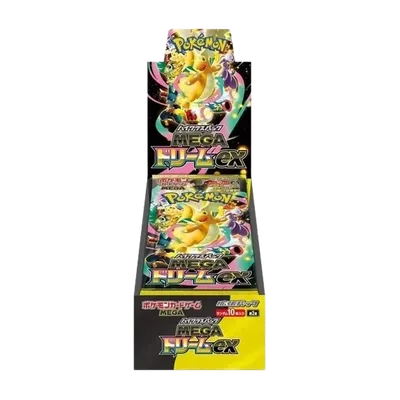 Mega Dream ex
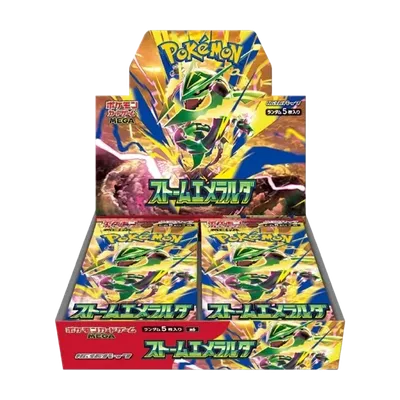 Storm Emeralda
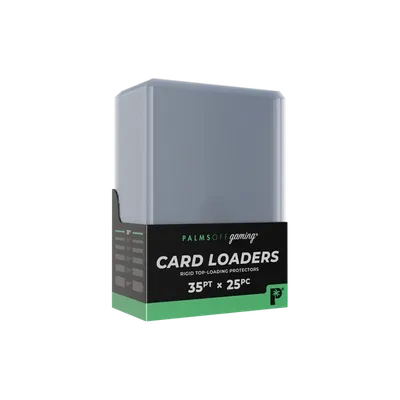 Top Loaders 35pt
Kai Chai is a Pokémon card collector in Sydney and the founder of WOOPR, a shop that sells only sealed Japanese product. More about WOOPR.
Sources
- SNKRDUNK Magazine, Start Deck 100 Battle Collection market guide
- SNKRDUNK, Ninja Spinner hit card ranking and buy prices (Japanese)
- TCGplayer, Japanese Pokémon cards are now available on TCGplayer
- TCGplayer Seller Portal, now available to list: Japanese Pokémon
- PriceCharting, Pokémon Japanese VSTAR Universe card prices
- Card Rush, Lillie’s Clefairy ex SAR 765/742 (Japanese)
- Hareruya 2, Lillie’s Clefairy ex SAR 765/742 (Japanese)
- ATO, GST on low value imported goods
More guides
- Japanese Art Rare bundles vs English Illustration RaresA Japanese AR in a bundle against an English Illustration Rare single, card for card.
- Shrink wrapped vs no shrink Japanese booster boxesWhat no shrink means, what it changes inside the box and which to buy.
- How claim sales workDiscounted stock, fixed prices, allocated in the order payments land.
- Buying Japanese Pokémon boxes in Australia without the queuesLotteries and limits in Japan, what importing involves and buying from a shop in Australia.
- How much does a Japanese booster box cost in Australia?Live price ranges by kind of box, why prices differ and the cheapest way to open a set.
- How to spot a resealed Japanese Pokémon booster boxThe perforated top, the shrink wrap, the packs and what Australian law says when a box is not what it claims.